Ramadan moves about eleven days earlier each year, so it drifts through the seasons. Visiting during it is not a problem, but it is a different Dubai, and arriving without knowing that is how people end up disappointed by a city that was never going to behave the way their guidebook said. Read it alongside the full list of things to do in Dubai, which assumes a normal month.
What actually changes
- Eating and drinking in public during daylight is not done, including water and chewing gum. This applies to everyone, not only to Muslims. Hotels serve food in screened areas and many restaurants open after sunset.
- Working hours shorten, so traffic peaks are different and offices close early.
- Live music and nightlife pause in most venues for the month.
- Attraction hours shift later. Many open in the afternoon and run well past midnight.
- Malls stay open very late and are busiest between nine and one in the morning.
- Dress is more modest in public areas, which mostly means shoulders and knees covered away from beaches and hotels.
Rules have relaxed in recent years and enforcement is sensible rather than severe. Nobody expects a visitor to fast. The expectation is discretion during daylight.
What is still open, and good
Almost everything, on later hours. The attractions that matter are indoors anyway.
- Burj Khalifa At The Top from AED 185, usually on extended evening hours.
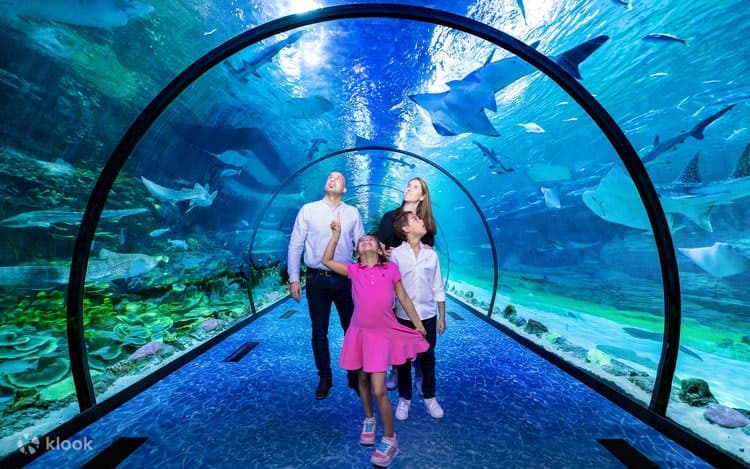
- Dubai Aquarium and Underwater Zoo from AED 135.
- Museum of the Future from AED 149.
- Ski Dubai from AED 220.
- Global Village from AED 25, if Ramadan falls in the winter season.
- Beaches, pools and hotel facilities, which are unaffected.
Iftar, which is the reason to come
At sunset the fast breaks, and the whole city eats at once. Iftar is a buffet, usually enormous, and hotels and restaurants compete over it. Tables fill, so book ahead.
Traditionally it starts with dates and laban, then soup, then everything else. Non Muslim guests are welcome at every iftar in the city, and being invited to one is the most hospitable thing that will happen to you here.
Later in the evening comes suhoor, a second meal before dawn, served from around eleven until two or three in the morning, usually with shisha and quieter company. It is the more interesting of the two.
Tours during Ramadan
They run, with adjusted timings.
Desert safari. Operates, with the camp dinner served after sunset. The timing works naturally because the safari already runs into the evening. Live entertainment is usually paused for the month. evening desert safari with BBQ dinner from AED 100.
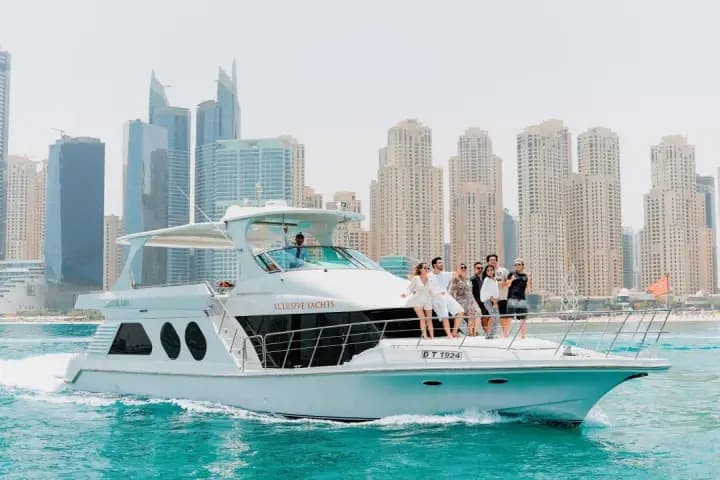
Dhow cruises. Operate, boarding after sunset, with dinner served on board. Marina dhow cruise after dark from AED 119.
City tours. Operate. Your guide will not eat or drink during daylight, which is worth knowing rather than worth commenting on. Shorter morning tours work better than full days. half day Dubai city tour from AED 100.
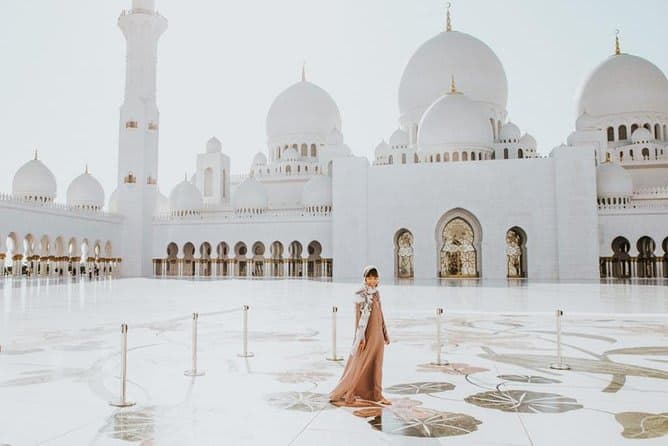
Abu Dhabi and the Grand Mosque. The mosque remains open to visitors with adjusted hours, and it is a particularly good time to see it. Abu Dhabi day tour from Dubai from AED 100. Read the dress code before you go.
How to behave, briefly
- Do not eat, drink or smoke in public during daylight. Your hotel room and screened restaurant areas are fine.
- Carry water and drink it out of sight. Nobody minds. It is the public part that matters.
- Dress a little more conservatively in malls, souks and public transport.
- Say Ramadan Kareem. It is the greeting, and it is appreciated.
- Expect generosity. Being offered food at sunset by someone you have just met is normal.
Should you visit during it
Yes, if you want to see the city at its most distinctive, you like evenings more than afternoons, and you do not need nightlife. Hotel rates often soften, attractions are quieter during the day, and iftar is genuinely memorable.
No, if your plan is beach clubs, brunches and bars, or if you are travelling with young children on a rigid meal schedule. Pick different dates and read when to visit Dubai.
Eid, which follows
Eid al Fitr is three days of public holiday at the end of Ramadan. The city celebrates, attractions are extremely busy with domestic visitors, hotels fill and prices rise. It is festive and it is not quiet. Book everything well ahead or avoid the dates.